Rolling Mill for Metal
A high-performance rolling mill for metal directly impacts product quality, production efficiency, and overall manufacturing cost. Whether used for steel, stainless steel, aluminum, or non-ferrous metals, advanced metal rolling mills help manufacturers achieve tighter tolerances, higher output, and improved material performance. In this blog, we introduce our rolling mill solutions to help you understand different rolling mill types, their industrial applications, and the key factors to consider when selecting the right rolling mill system.
What Is a Rolling Mill for Metal?
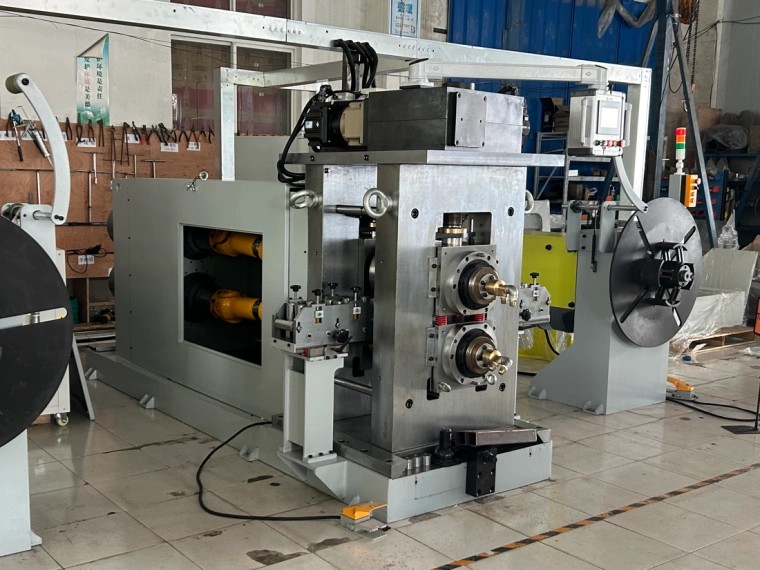
A metal rolling mill is a rolling mill machine used to shape and reduce metal by passing it through rotating rolls under controlled pressure. It is widely applied to process steel, aluminum, stainless steel, and non-ferrous metals into wire, bars, rods, and strips—delivering high efficiency, consistent dimensions, and improved material performance. For manufacturers producing flat wire, a dedicated solution like a Stainless Wire Flattening Machine can significantly improve thickness stability and surface quality.
Advanced Rolling Mill Design and Integrated Systems
Our rolling mill is composed of rolling stands, work rolls, a drive and transmission system, precision adjustment mechanisms, and fully integrated cooling and lubrication systems. It is also equipped with an online wire diameter measurement system, ultrasonic cleaning system, dust removal and oil mist extraction system, as well as an advanced control system.
The rolling stands and rolls apply controlled pressure to accurately shape and reduce metal wires, while the drive system delivers stable torque and consistent speed. Precise adjustment and automation ensure uniform dimensions, high surface quality, and reliable, safe operation in demanding industrial environments. For complete processing from round wire to flat or shaped wire, our Wire Flattening and Shaping Lines integrate rolling, control, and measurement for consistent output.
Precision Control with PLC, CNC, and Servo Systems
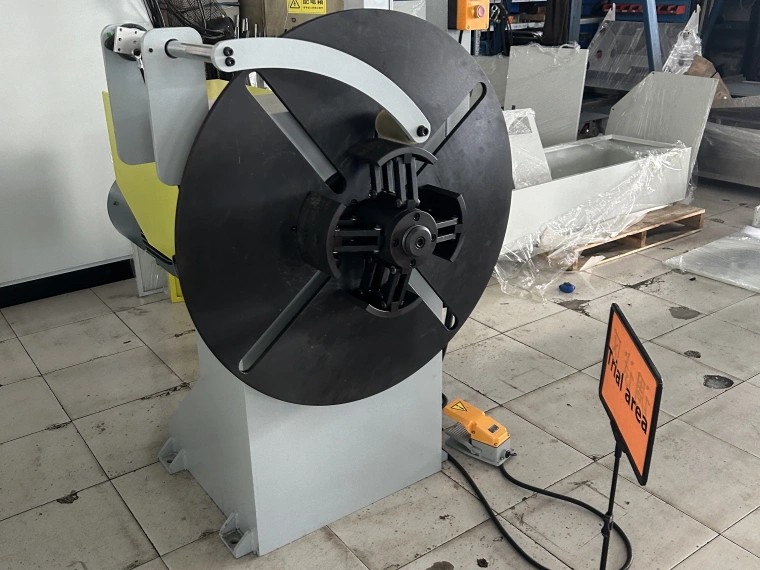
New metal wire rolling mills from Sky Bluer Environmental Technology Co., Ltd China use PLC, CNC, HMI, and servo-driven systems to ensure precise control of speed, tension, and roll positioning. These technologies provide high repeatability, consistent wire dimensions, and improved efficiency—ideal for high-precision wire production.
For high-volume plants seeking stable quality and fast changeovers, an automated solution from a Full Automatic Wire Flattening Machines Manufacturer can reduce labor dependence and improve overall line stability.
Main Functions of a Metal Rolling Mill
A metal rolling mill performs a range of essential functions, with the primary purpose of transforming round metal wire or bars into flat wires or profile wires. It is suitable for materials such as steel, aluminum, copper, and various alloys—converting them into sheets, strips, rods, or wires.
Forming & sizing: Reduce thickness/diameter and shape wire into flat or profile sections.
Property improvement: Enhance mechanical properties like strength and ductility through controlled deformation.
Dimensional accuracy: Maintain stable thickness, width, and profile geometry with precise adjustment.
Surface quality: Improve finish and reduce defects with lubrication/cooling and cleaning systems.
Productivity: Support continuous, efficient, high-volume production with automation and monitoring.
When profile forming is required, a dedicated Wire Shaping Line helps maintain consistent geometry and repeatability for custom cross-sections.
Raw Material Requirements for Metal Rolling Mills
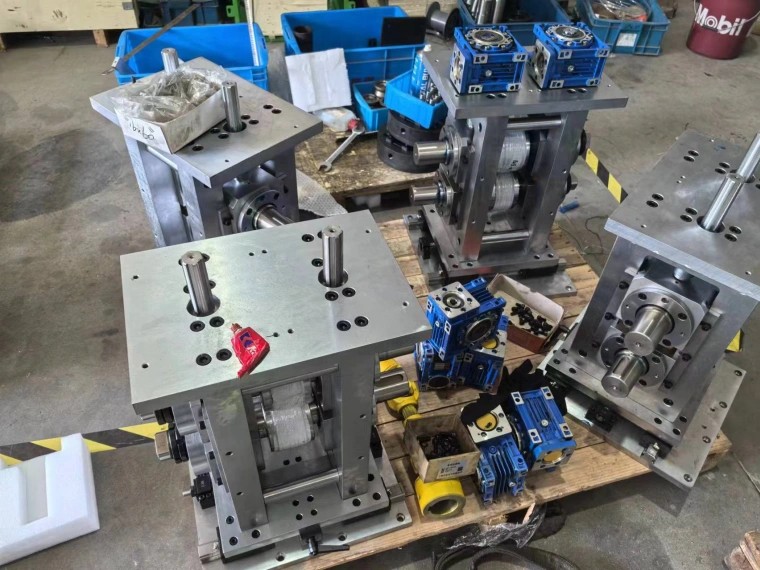
A metal rolling mill requires high-quality raw materials to ensure efficient processing and superior product performance. Suitable metals include steel, aluminum, copper, stainless steel, and various alloys, with proper chemical composition and mechanical properties.
Uniform size & shape: Stable input diameter and consistent coil/bars improve rolling stability.
Straightness & roundness: Better feeding and reduced vibration across rolling stands.
Clean, defect-free surface: Minimizes scratches, pits, and surface marks on finished wire.
Correct temperature conditions: Proper hot/cold rolling conditions for target properties and finish.
Output Size of Metal Rolling Mills
Sky Bluer Environmental Technology Co., Ltd China’s metal rolling mills can produce a wide range of output sizes to meet industrial requirements. For sheets, strips, rods, and wires, thicknesses can range from several millimeters down to fractions of a millimeter, while wire diameters can range from ultra-fine 0.1 mm up to several millimeters.
Advanced control systems ensure precise dimensions, consistent quality, and reliable performance for high-precision metal wire and rod production. For flat wire and shaped wire manufacturing, a complete Wire Flattening and Shaping Lines solution is often chosen to keep tolerance stable across long production runs.
Applications of Metal Rolling Mills
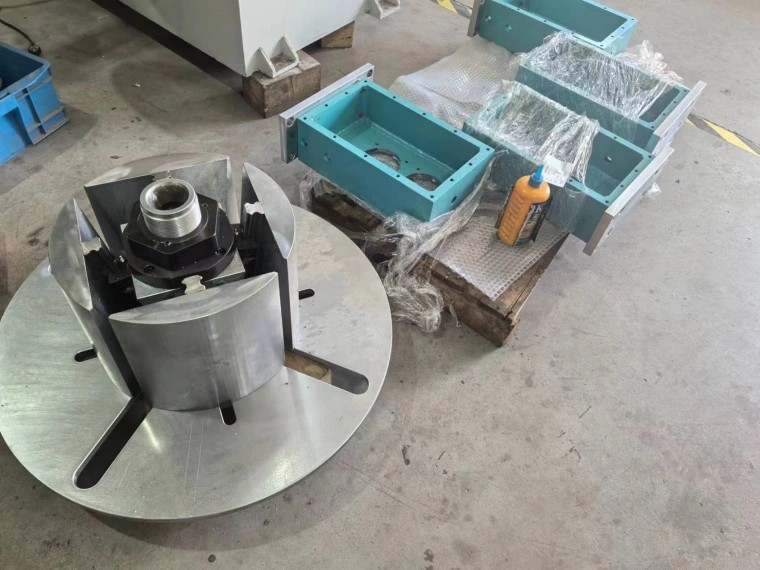
Metal rolling mills are widely used in modern manufacturing for shaping and processing metals such as steel, aluminum, copper, stainless steel, and various alloys. They produce sheets, strips, rods, and wires for many industries, including automotive, aerospace, construction, electronics, medical, and industrial equipment manufacturing.
Electronics & medical: High-precision wire for connectors, electrodes, and specialized components.
Construction & machinery: Rods and bars for structural and mechanical applications.
Automotive & aerospace: Strips and profiles for lightweight, high-strength components.
Custom engineering: Profile wires for specialized, high-value projects.
For stainless flat wire applications, a Stainless Wire Flattening Machine is commonly used to achieve excellent surface finish and stable thickness control.
FAQ – Metal Rolling Mills by Sky Bluer Environmental Technology Co., Ltd China
What types of metals and alloys can your rolling mills process?
Our metal rolling mills and wire rolling mills can handle steel, stainless steel, carbon steel wire, nickel-titanium alloy wire, aluminum, copper, and various specialty alloys.
What output sizes and tolerances can the rolling mill achieve?
Precise control over thickness, width, and wire diameter—from ultra-fine wires of 0.1 mm to rods and bars up to several millimeters—depending on configuration and material grade.
What is the production capacity?
Our rolling mills support both high-volume and lower-volume production. Throughput and speed are tailored to industrial-scale requirements while maintaining consistent quality.
What automation and control features are available?
PLC, CNC, HMI, and servo systems allow precise control of speed, tension, roll positioning, and online wire diameter measurement, ensuring repeatable and efficient rolling operations. Many customers also select an automated solution from a Full Automatic Wire Flattening Machines Manufacturer to maximize stability and reduce labor.
What are the raw material requirements?
Raw materials should have proper chemical composition, uniform size, good straightness and roundness, clean and defect-free surfaces, and appropriate temperature conditions for hot or cold rolling.
What maintenance, safety, and after-sales support is provided?
We provide maintenance guidance, troubleshooting support, and training. Safety features and design practices can be aligned with relevant standards and customer plant requirements.
What is the rolling speed of a metal rolling mill?
Rolling speed depends on mill type and material. Hot-rolled bars/rods often run from 0 to 500 m/min, while cold-rolled wires can reach 10 to 1200 m/min, depending on line setup, reductions, and stability requirements.
Conclusion
To sum up, Sky Bluer Environmental Technology Co., Ltd China’s metal rolling mills provide reliable and precise solutions for shaping steel, aluminum, copper, stainless steel, and other alloys. They combine advanced automation, integrated cleaning and lubrication systems, online measurement, and safe, stable operation to support high-quality production of sheets, strips, rods, and wires.
For manufacturers focused on flat wire and profile wire output, a Wire Shaping Line can improve repeatability and profile accuracy, while complete Wire Flattening and Shaping Lines help ensure stable tolerance and high productivity. We warmly welcome you to contact us to learn more or discuss how our rolling mills can support your metal processing needs.
Contact Us:
