High-speed rail is the peak of modern transport infrastructure. It needs strong, precise, and electrically stable parts. This is vital for electrified overhead contact systems that power trains at over 350 km/h.In these systems, shaped wires must keep steady electrical contact. Examples include H-shaped, U-shaped, and rectangular profiles.They must resist vibration and work reliably in harsh environmental conditions. As a professional Precision Rolling Mills manufacturer, Sky Bluer designs and builds high-precision rolling lines.These lines produce complex shaped wires with micron-level accuracy. They offer high conductivity and excellent mechanical properties.Our precision rolling technology ensures consistent profile geometry, smooth surface finish, and long production lengths required for modern high-speed rail electrification systems.
High-Speed Rail Electrification Requirements for Shaped Wires
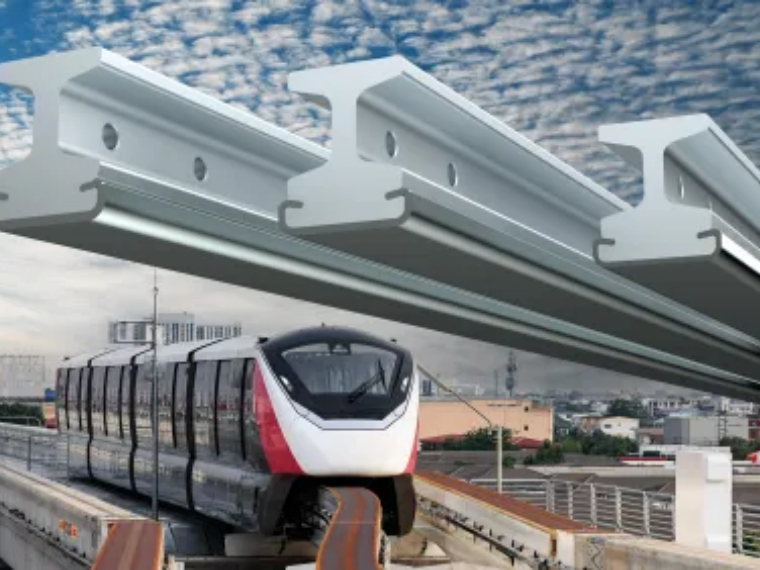
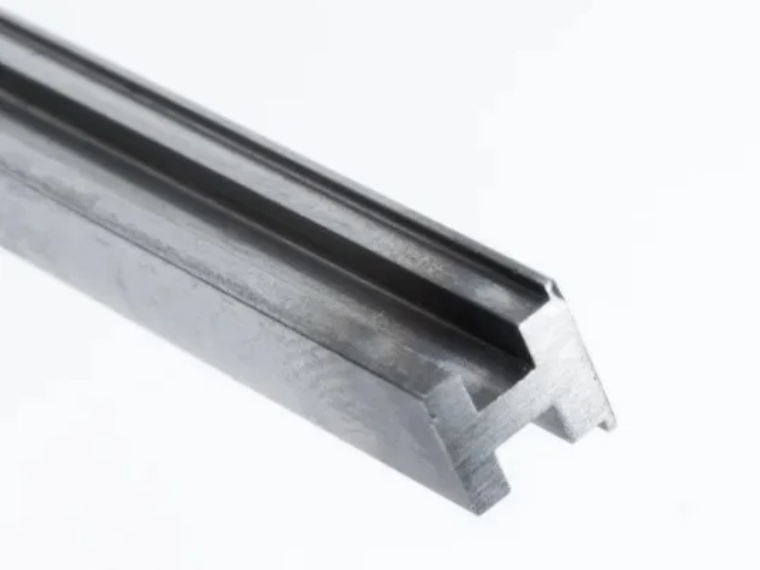
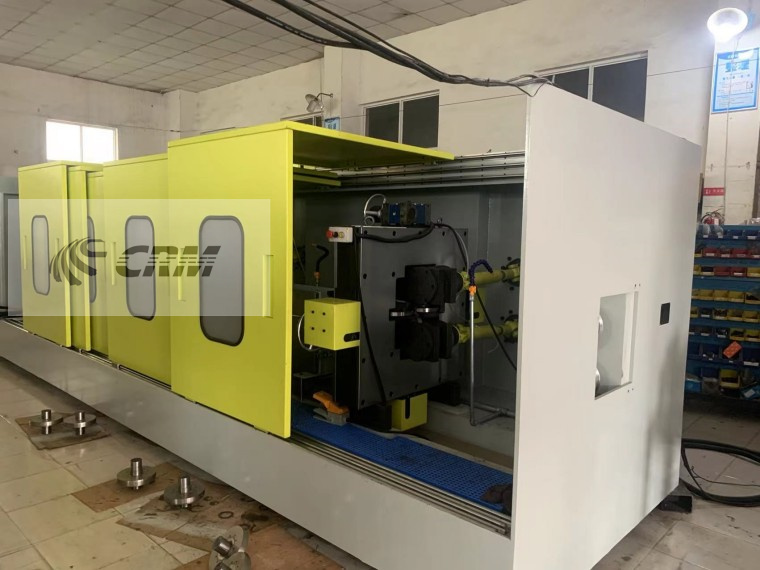
High-speed railway systems need conductor and contact wires that are starving accurate and stable. Standard wire drawing alone cannot achieve this. Compared with standard round wire, precision shaped wire offers better contact, higher current capacity, and greater strength. It is a preferred choice for modern railway electrification systems.During high-speed operation, the contact wire must keep a stable shape over long distances. It must resist vibration, heat expansion, and constant friction from the pantograph. This requires very tight tolerances, typically within ±0.005 mm, together with excellent straightness, smooth edges, and a defect-free surface without cracks or burrs. The material must keep stable electrical conductivity after deformation. The profile must stay uniform over long production lengths for reliable installation and operation.International railway projects usually require compliance with standards such as EN 50149, DIN 43140, UIC 870, and ASTM B47 / B9. To meet these strict specifications, manufacturers must produce shaped wires using multi-stage precision rolling mills rather than single-pass forming or drawing machines.The rigid structure, precision roll mounting, and integrated cooling system indicate that this rolling stand is designed for high-accuracy, high-stability profile rolling, suitable for demanding applications such as railway electrification, electrical conductors, and precision metal forming.
Production Flow of Shaped Wire Using Precision Rolling Mills
At Sky Bluer, we produce shaped wires for high-speed rail. We use a precision rolling line for continuous, accurate profile forming. Multi-stand rolling gradually shapes the material and prevents internal stress, cracks, and dimensional deviation while ensuring stable mechanical and electrical performance.
Typical shaped wire rolling line:
Equipment | Function |
Pay-off unit | Feeds copper or alloy wire with constant tension |
Pre-flattening mill | Forms base geometry before profile rolling |
Precision rolling mill | Produces H-shape / U-shape / custom profile |
Multi-stand profile rolling | Gradual deformation for high accuracy |
Online laser gauge | Measures width, thickness, profile |
Tension control system | Stabilizes rolling speed and deformation |
Straightening unit | Ensures perfect linearity |
Take-up / coiler | Produces long continuous coils |
This multi-stage process helps form the final profile smoothly and accurately. This is vital for high-speed rail contact wires. They must operate under constant mechanical and electrical load.

Core Technologies in High-Precision Profile Rolling
Producing shaped wires for railway applications requires precise control of material properties, rolling deformation, and dimensional accuracy. Sky Bluer precision rolling mills combine metallurgical control, custom roll design, automatic measurement, and rigid mill structures. They ensure consistent profile quality during long, continuous production.
Key technologies used in high-precision profile rolling include:
l Controlled Material Selection and Metallurgical Stability
The rolling process starts with high-purity copper or copper alloys, such as Cu-ETP, Cu-Mg, Cu-Sn, and Cu-Ag. We choose these materials to balance electrical conductivity and mechanical strength.
By controlling alloy composition, reduction ratio, and rolling temperature, the material can reach higher tensile strength. It can also improve fatigue resistance and keep stable conductivity. It still remains suitable for precision forming.
l Multi-Pass Precision Rolling with Custom Groove Rolls
Complex profiles such as H-shaped contact wire cannot be formed in a single pass. Sky Bluer rolling mills use multi-pass deformation through several rolling stands equipped with custom-designed groove rolls. Each pass gradually changes the geometry, preventing cracking, edge distortion, and internal stress.
Precision-ground rollers, micro-adjustable roll gaps, and servo-driven stands allow tolerance control typically within ±0.005–0.02 mm, ensuring stable profile accuracy required for high-speed rail contact systems.
l Closed-Loop Automatic Measurement and Control
To maintain consistent quality during continuous production, the rolling line uses closed-loop automatic control. PLC systems, laser gauges, and synchronized drive units track thickness, width, and tension in real time. They automatically correct any deviation.
This ensures stable rolling conditions, uniform deformation, and consistent profile geometry even at high production speed and long coil length.
l Finishing, Straightening, and Surface Optimization
After precision rolling, shaped wires may go through cold finishing, tension leveling, and straightening.
These steps reduce residual stress and help ensure perfect straightness. Surface polishing or cleaning can reduce roughness and improve electrical contact. Optional coatings, like tin or silver plating, can boost corrosion resistance and extend service life.
The final steps matter most for high-speed rail contact wires. They face constant friction, high current, and changing weather.
Technical Advantages of Sky Bluer Precision Rolling Mills
Advantage | Technical Impact | High-Speed Rail Benefit |
Ultra-precise profile control | Dimensional tolerance up to ±0.02 mm | Stable pantograph contact, reduced wear, low electrical loss |
Multi-stand precision rolling | Gradual deformation with controlled tension | High strength, no cracking, consistent profile |
High-strength alloy capability | Rolling of Cu-Mg / Cu-Sn / Cu-Ag alloys | Better fatigue resistance and durability |
Continuous rolling line | Production length up to several thousand meters | Fewer joints, easier installation |
Automatic measurement system | Laser gauge + closed-loop control | Stable quality in long production |
Quick-change roll design | Fast switch between different profiles | Flexible production for multiple projects |
Energy-efficient rolling | Low friction roll system + optimized drive | Reduced cost and sustainable production |
Why Precision Rolling Mills Are Preferred Over Drawing for Shaped Wire
Conventional wire drawing works well for round wire. However, it cannot precisely make complex profiles needed for high-speed rail systems. Drawing applies uniform reduction in one direction, while shaped wire requires controlled deformation in multiple directions to maintain geometry and mechanical strength.
Precision rolling mills shape material step by step using custom groove rolls. This improves dimensional stability, surface smoothness, and reduces internal stress. Rolling also improves grain structure, leading to higher fatigue resistance and longer service life.
For railway contact wires that run at high current, high speed, and constant friction, precision rolling adds accuracy. Drawing alone cannot match its reliability.
Applications of Shaped Wire in High-Speed Rail
Shaped wires produced by precision rolling mills are widely used in modern railway electrification and mechanical systems, including:
Overhead contact wire systems
High-current conductors
Signal transmission components
Spring and fastening elements
Special mechanical connectors
Because these applications require both mechanical strength and electrical reliability, precision rolling is the preferred manufacturing method for high-speed rail shaped wires.
Conclusion
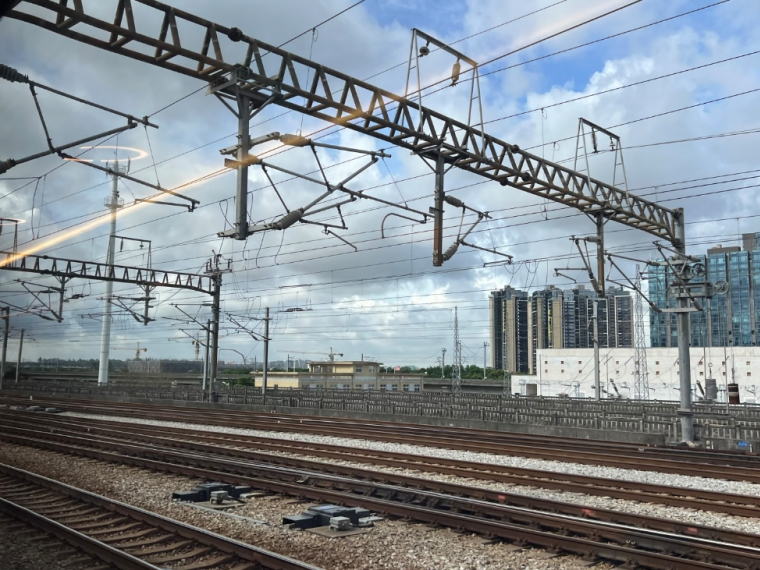
Precision rolling mills are the key technology behind modern shaped wires used in high-speed rail electrification systems. Through multi-stage rolling, automatic control, and custom roll design, precision rolling mills can produce complex profiles such as H-shaped wires with high accuracy, stable geometry, and consistent quality over long production lengths.
As a professional precision rolling mills manufacturer, Sky Bluer provides complete rolling solutions for shaped wire production, combining advanced mechanical design, intelligent automation, and flexible customization to meet the strict requirements of modern high-speed rail projects worldwide.
Our precision rolling mills do not just produce wire —they manufacture the foundation of reliable, efficient, and high-speed rail systems.
